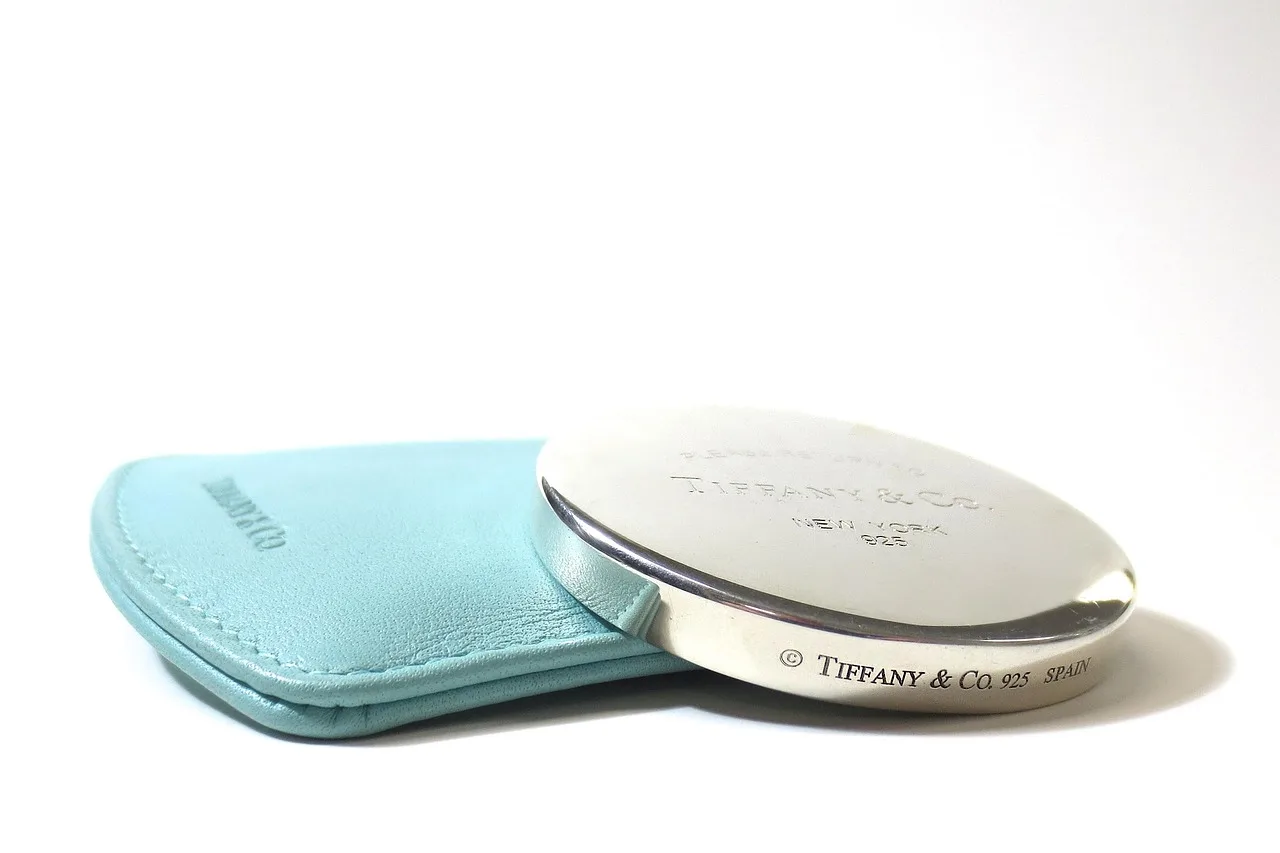
Rules
Silver guide: US hallmarking and FTC silver stamping rules
This silver guide explains US hallmarking, the FTC Jewelry Guides and what stamp must appear on sterling, fine silver, silver plate and imported silver.
What to take away
- This silver guide covers what the FTC Jewelry Guides require on sterling, fine silver, silver plate and pewter labels sold in the United States.
- Quality marks and fineness stamps must match the metal actually used; a stamp alone does not make an item sterling.
- Silver plate, silver filled and pewter have their own marking terms and cannot borrow sterling language.
- Imported silver needs a country of origin marking, separate from any quality stamp.
- Advertising purity claims fall under the same rules as physical stamps, and the FTC has sent warning letters over deceptive jewelry claims.
What the FTC Jewelry Guides require on silver labels
The FTC Jewelry Guides are the industry rules for how precious metal jewelry and pewter may be described, stamped and advertised in the United States. They cover silver, gold, platinum, palladium and pewter. For a small US studio, the practical effect is simple: whatever you stamp, tag or write about a piece has to be true and not misleading.
The Guides are codified at 16 CFR Part 23. The silver, silver plate, silver filled and pewter terms in that part are the ones a US seller needs for labeling, and they are the rules to cite if a marketplace or a customer asks where a claim comes from.
The Guides sit inside the FTC's broader business guidance hub for sellers, which explains how labeling and advertising rules apply to specific products. The agency publishes that material for makers, importers and retailers who need to know what a lawful label looks like before goods reach a counter or a marketplace listing.
The full text lives in the FTC's legal library of rules, where the Guides for the Jewelry, Precious Metals, and Pewter Industries can be read alongside related rules. If you sell across state lines or online, this is the version to check rather than a supplier's summary or a forum post.
Labels are not limited to a stamp on the metal. A hang tag, a box, a display card, a website description and a spoken sales pitch all count as representations. A piece marked correctly but described wrongly online is still a problem.
The United States has no government assay or hallmarking office that tests and stamps silver before sale. There is no federal registration office that approves a silver stamp before you use it. Compliance is self-executed, which is why record keeping matters. Keeping supplier invoices, alloy specifications and batch notes lets you show why a stamp was applied.
A workable studio system is to treat every silver item as having two labels: the physical mark and the written description. Both must agree with the alloy you actually used, and both must survive a customer reading them closely.
Sterling, fine silver and silver plate claims that must be accurate
Sterling silver means an alloy that is 92.5 percent silver by weight. Fine silver means silver at 99.9 percent purity. These are defined claims, not marketing adjectives, and a piece that misses the threshold cannot carry the term.
Silver Product Labeling Rules
Fine Silver
- Composition
- 99.9% silver
- Lawful label
- Fine silver
- Fineness stamp
- 999
- Mislabel risk
- Low
Sterling Silver
- Composition
- 92.5% alloy
- Lawful label
- Sterling, 925
- Fineness stamp
- 925
- Mislabel risk
- Low
Silver Plate
- Composition
- Base metal + coating
- Lawful label
- Silver plate
- Fineness stamp
- None
- Mislabel risk
- High if called sterling
Silver plate is a base metal with a silver coating. It is not sterling and it is not fine silver. Labeling it as sterling, or using a sterling stamp on it, is the kind of misdescription the Guides exist to stop.
Pewter is a separate category with its own rules. Pewter is a tin-based alloy and cannot be marked or sold as silver. If a piece contains both pewter and silver components, the label has to make clear which part is which.
Silver filled and similar layered materials sit between plating and solid silver. They must be described in terms that do not imply a solid sterling body. Vague wording such as "silver tone" or "silver look" invites a complaint if the item is sold near sterling goods.
| Product | What it is | Lawful label language |
|---|---|---|
| Fine silver | 99.9 percent silver | Fine silver, with fineness stamp |
| Sterling silver | 92.5 percent silver alloy | Sterling, sterling silver, 925 |
| Silver plate | Base metal with silver coating | Silver plate, silver plated, electroplate |
| Silver filled | Silver layer bonded to base metal | Silver filled, with the layer stated |
| Pewter | Tin-based alloy | Pewter, no silver term |
For a fuller picture of how alloys differ in working properties and test results, see this breakdown of fineness, composition, properties, marks. It is useful when a customer asks why two pieces stamped the same way behave differently at the bench.
Mixed-metal work is where most errors happen. A sterling bezel on a copper body is not a sterling ring. Describe each component by its own metal, or use a term that covers the whole piece honestly.
Antique and vintage resale follows the same standard. If you cannot verify an old sterling stamp, say so in the listing rather than repeating a mark you have not confirmed. A short comparison of fine silver vs sterling silver helps explain the difference to buyers who assume the terms are interchangeable.
Quality marks and fineness stamps US law expects on silver
A quality mark states the metal's fineness, such as 925 for sterling or 999 for fine silver. A trademark identifies the maker or sponsor. Under the National Gold and Silver Stamping Act, 15 U.S.C. §§ 291–300, an item that carries a quality mark must also carry a trademark or maker's mark identifying the responsible person. US practice expects both on solid precious metal jewelry offered for sale.
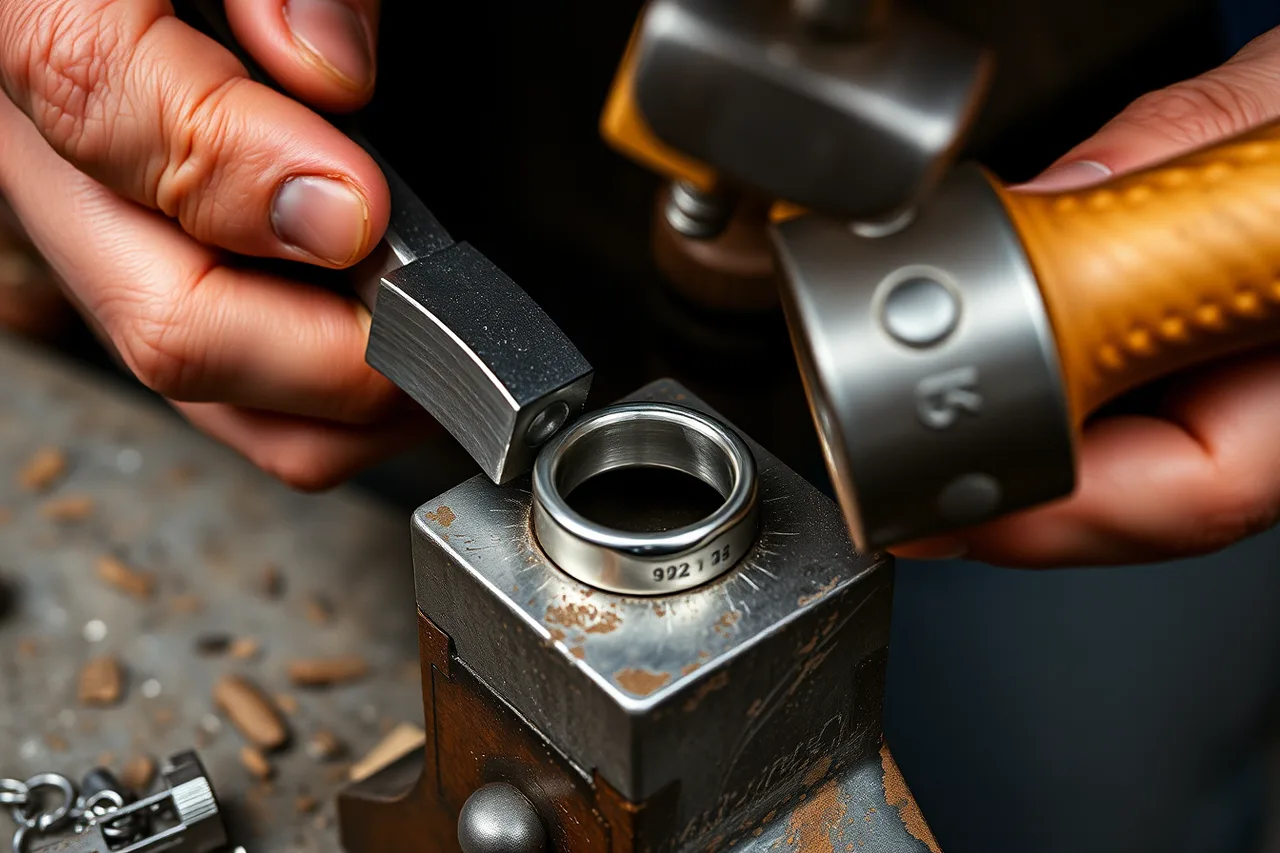
The fineness stamp must be accurate for the whole metal part it describes. On a ring with a sterling band and a non-silver setting, the stamp applies to the band, and the description should make that clear.
The maker's mark or trademark is what ties an item to a responsible business. It does not have to be registered with the government, but it must be distinctive enough to identify you. Many small studios use a registered business name or a stamped initials mark.
Fineness figures are stated in parts per thousand. Sterling is 925. Fine silver is 999. A stamp of 925 on an alloy that tests lower is a false quality mark, even if the difference is small.
Applying a clean stamp takes practice. Double strikes, drifting impressions and shallow marks are common at the bench, and a spoiled stamp can read as a different number. For the causes and fixes, see this note on a failed silver box seam.
Keep a written record for each batch: alloy, supplier, fineness, stamp used and date. A hallmark, supplier, and batch-record system turns a compliance question into a filing exercise instead of a panic.
If you buy scrap or unknown stock, test before you stamp. A piece of silver-colored metal may be nickel silver, plated brass or stainless steel, and stamping it as sterling is a labeling violation. Methods for identify and document unknown metal are worth learning before any stamp touches the surface.
Origin stamps and country of origin marking on imported silver
Silver made outside the United States and sold here needs a country of origin marking under 19 U.S.C. § 1304. The marking tells the final purchaser where the article was made, and it must be legible, permanent and in a conspicuous place.
Common forms include "Made in Italy," "Made in Mexico" or "Made in India," struck or etched on the piece. For very small items, the marking may go on the container or tag if the article itself cannot carry it. That exception is narrow.
Country of origin marking is separate from a quality stamp. A ring can be correctly stamped 925 and still violate marking rules if it carries no origin indication and no acceptable exception applies.
Importers should check classification and marking decisions before shipping. US Customs and Border Protection publishes CBP rulings on imported silver that show how specific silver articles are classified and what marking is accepted, which is the closest thing to advance guidance a maker or importer can get.
Assembled goods complicate origin. If components come from several countries and the article is finished in one of them, the origin determination follows the applicable rules rather than the seller's preference. Ask before you print packaging.
Retailers who buy imported silver should keep the import documents with the stock record. If a customer or a regulator asks where a piece was made, the paper trail answers faster than memory.
State-level rules can add requirements, but the federal marking duty applies nationwide. A piece made in Rhode Island, New Mexico or Washington and sold online to a buyer in Texas still needs the same accurate labeling.
Advertising silver jewelry without misleading purity claims
Advertising is covered by the same standard as a stamp. A product title, an Instagram caption, a marketplace filter and a trade show sign are all representations about the metal.
Avoid terms that imply a purity you cannot support. "Solid silver" suggests fine or sterling silver, not a plated item. "Real silver" is vague enough to mislead when used on silver plate.
Pricing can imply purity too. Selling a plated chain at a sterling price, or listing it in a sterling category, can mislead even if the words are technically careful. Category placement is part of the claim.
Comparisons need a basis. Claiming a piece is "better than sterling" or "purer than 925" requires something factual behind it. Superlatives without support are the easiest claims for a competitor or a customer to challenge.
Customer questions are a useful test. If a buyer asks whether a piece is sterling and the honest answer is no, the listing should have made that clear before the question. Write descriptions so the answer is already on the page.
Keep copies of ads, listing text and packaging claims. If a claim is questioned later, having the original wording and the alloy record shortens the conversation considerably.
How FTC enforcement and warning letters shape silver marking practice
The FTC's authority over jewelry marking and advertising comes from the FTC Act, which prohibits unfair or deceptive acts and practices in commerce. The agency's statutes enforced by the FTC page sets out that authority and the laws it enforces.
Enforcement usually starts with a warning letter rather than a lawsuit. The FTC publishes warning letters to sellers that show which claims drew attention, including deceptive jewelry claims. Reading a few is a fast way to see where the line sits.
Warning letters typically demand that a recipient stop the conduct and correct labels or advertising. They are not fines, but ignoring one invites escalation. For a small studio, the practical lesson is to fix the claim as soon as it is identified.
Patterns in the letters repeat: unqualified purity terms on plated goods, origin claims that do not match the paperwork, and descriptions that overstate a metal's content. These are the same errors the Guides address directly.
Compliance is cheaper than correction. Accurate stamps, honest descriptions and a batch record cover most of what the Guides require, and they also answer the questions that come from retailers, marketplaces and customers.
Trade bodies and regional craft communities help spread the standard. Organizations such as the Society of North American Goldsmiths and the American Craft Council publish guidance and run education for makers, which is often easier to apply at the bench than reading a regulation cold.