Maintenance
Part of Silversmithing foundations guide: design, metal, tools, sequence, and records
Silversmithing Bench Safety Checklist for Shop Setup
A silversmithing bench safety checklist for shop setup, covering tool checks, hot work, chemicals, dust, ventilation, protective equipment, and stop conditions.
What to take away
- Inspect the bench by task, not as one generic work area.
- Separate clean layout, hot work, chemical work, and dust-producing operations.
- Training, guarding, source capture, and housekeeping come before personal protective equipment.
- Damaged tools, unlabeled chemicals, unstable work, or missing controls are stop conditions.
- Record inspections and corrective actions before starting a project.
Use this silversmithing bench safety checklist to inspect a bench used for working silver or sterling silver at a supervised learning bench, shared studio, or professional workshop. It covers setup and safety controls for cutting, forming, annealing, soldering, pickling, quenching, and polishing. It is not a substitute for equipment manuals, safety data sheets, local fire requirements, ventilation design, or hands-on instruction.
Mark each item pass, review, stop, or not applicable.
Bench and access
- Bench is stable and at a workable height.
- A jeweler's bench has a stable work surface, a securely mounted bench pin at the front edge, and a sweeps tray beneath it to catch filings.
- Chair or stool supports a neutral working position.
- Armrest, if used, is secure and does not obstruct tool movement.
- Floor and exit route are clear and dry.
- Task lighting avoids deep shadows and glare.
- Frequently used tools are reachable without twisting.
- Sharp tools have protected storage.
- Food and drink are excluded from process areas.
- Children, pets, and untrained visitors cannot enter active work zones.
Measurement and hand tools
- Rule, square, dividers, and calipers are readable and undamaged.
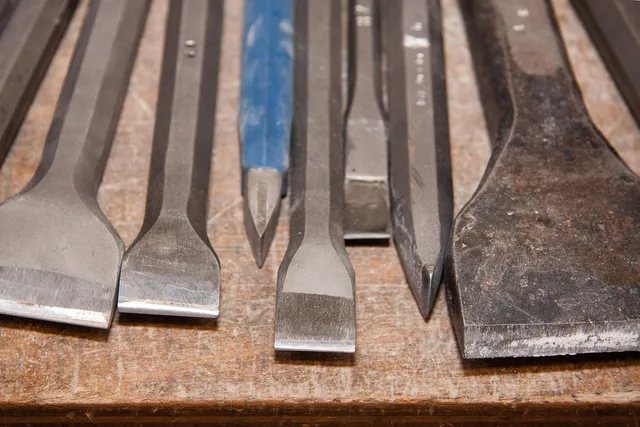
- Files have secure handles where required; needle files include flat, half-round, and round profiles.
- Jeweler's saw frame, blades, blade clamps, and bench pin are sound; the blade is correctly fitted and secured.
- Ring mandrel is available for forming rings.
- Bench block and anvil are stable for forming work.
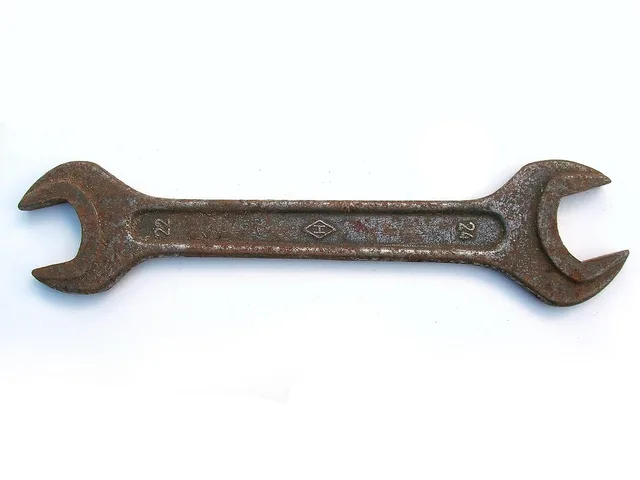
- Planishing hammer has a smooth face; hammer faces and stakes are clean for the intended finish.
- Cutters and shears match the stock size and material.
- Work can be held without placing fingers in the tool path.
OSHA Publication 3080, Hand and Power Tools, covers guarding, protective equipment, disconnecting tools before service or accessory changes, securing work, avoiding loose clothing, and removing damaged portable electric tools from use. Apply the equipment maker's instructions and the rules that govern the actual workplace.

Powered and rotating equipment
- User has task-specific instruction and authorization.
- Guards, rests, switches, cords, and plugs pass inspection.
- Wheel, bit, burr, or accessory has the correct rating and condition.
- Long hair, loose clothing, cords, gloves, and jewelry cannot entangle.
- Work is clamped or supported as the operation requires.
- Dust capture is positioned at the source.
- Emergency stop and isolation procedure are known.
- Equipment is unplugged or isolated before adjustment.
Do not wear gloves near rotating equipment unless the machine-specific risk assessment and procedure expressly require a suitable glove. Entanglement can create a more severe injury.
Hot work and fuel
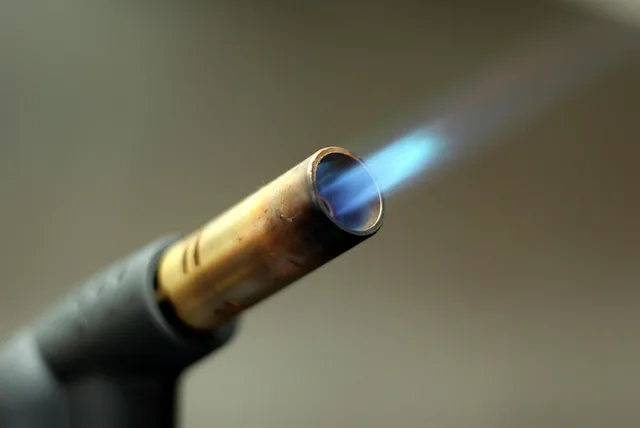
- Torch and fuel system were installed and inspected by a competent person.
- Hoses, regulators, valves, flashback controls, and connections are correct for the system.
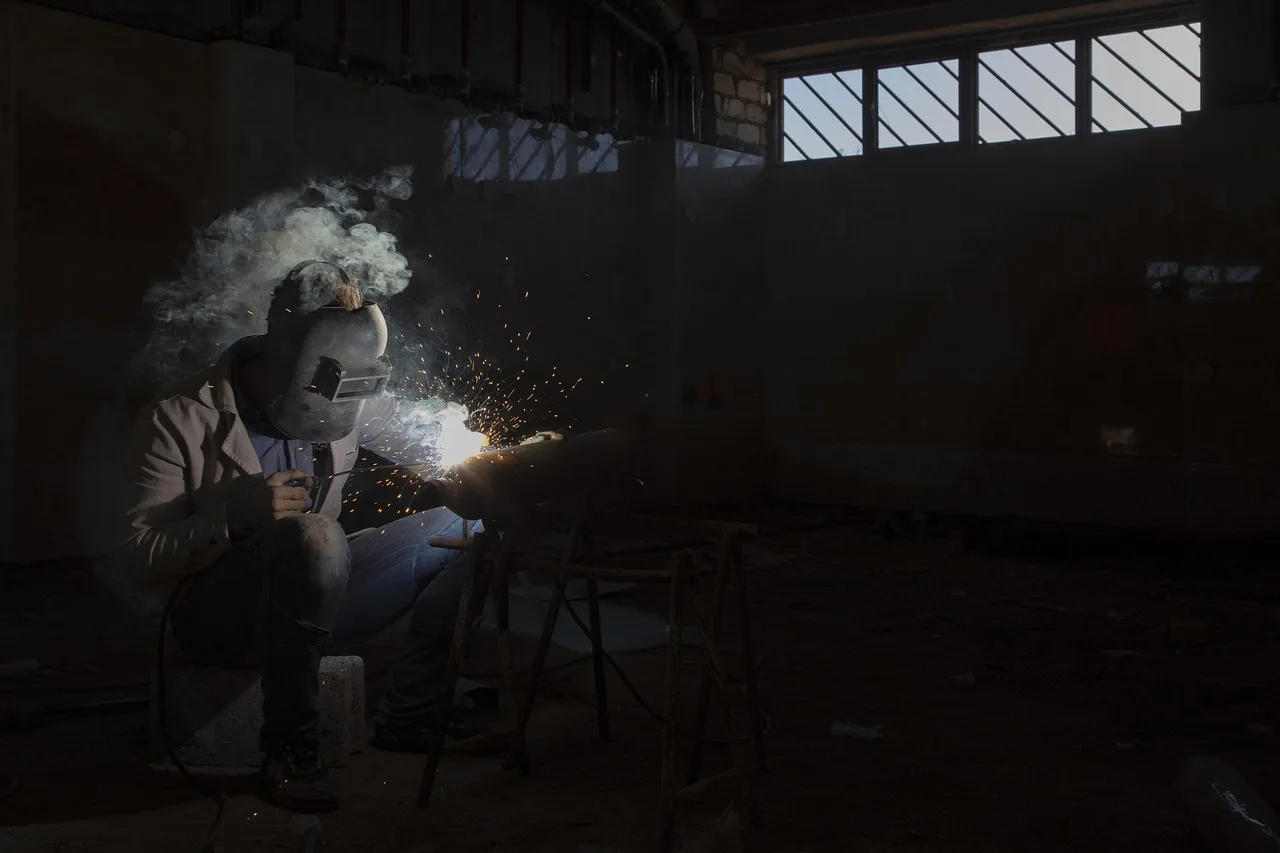
- Combustibles are removed from the hot-work area.
- Heat-resistant surface and safe part placement are available.
- Silver soldering and annealing are planned at the hot-work station, with the flux and solder identified for the job.
- Suitable local exhaust captures process emissions.
- Fire response equipment and shutdown route are accessible.
- Hot metal has a defined cooling and labeling location; a designated quench container and tongs are available when the process calls for quenching.
- No unknown, plated, filled, or coated object will be heated.
Chemicals
- Every container has a durable contents label.
- Current safety data sheets are available.
- Pickle solution, flux, and polishing compounds for silver work are labeled and handled according to their safety data sheets.
- Storage separates incompatible materials.
- Secondary containers are compatible and closed.
- Ventilation matches the product and process.
- Eye, skin, and spill controls match the safety data sheet.
- Waste and contaminated wipes have defined containers.
- No chemical will be mixed without an approved procedure.
Dust, fumes, and ventilation
The University of Oregon's jewelry and metalsmithing hazard table identifies metal dust from sanding, grinding, and polishing, as well as hazards from solder, flux, acids, and patina chemicals. It pairs those tasks with controls such as substitution, local exhaust, fume hoods, ventilation, and suitable protective equipment. For silver work, apply those controls to soldering and annealing emissions, pickling acids, flux fumes, and dust from polishing compounds.
- Each dust- or fume-producing task, including silver sanding, grinding, and polishing, has a documented control.
- Capture inlet is close enough and oriented to pull contamination away from the breathing zone.
- Exhausted air and makeup air are handled safely.
- Filters, ducts, and hoods have inspection and maintenance records.
- Dry sweeping and compressed-air cleanup are prohibited where they can disperse hazardous dust.
- Pickling and flux controls follow the product safety data sheets and studio procedures.
- Respirator use, if required, is part of a compliant program with selection, fit, training, and medical evaluation.
Protective equipment
- Eye protection matches impact, splash, heat, and optical hazards.
- Face protection supplements rather than replaces required eye protection.
- Hearing protection is selected after assessing noise.
- Gloves match chemical or heat exposure and do not introduce entanglement risk.
- Clothing and footwear match sharp, hot, and chemical hazards.
- Damaged or contaminated equipment is replaced or cleaned correctly.
Pass, review, or stop
| Finding | Status | Action |
|---|---|---|
| Tool sound, user trained, controls operating | Pass | Record and proceed |
| Requirement unclear or document missing | Review | Resolve before task |
| Damaged tool, missing guard, unknown chemical | Stop | Isolate and correct |
| Uncontrolled fumes, dust, fire, or entanglement | Stop | Do not improvise with PPE alone |
Common questions
Is an open window enough ventilation?
Not by itself. Control must be designed for the contaminant, generation point, quantity, and room airflow.
Can safety glasses replace a machine guard?
No. Guarding controls contact and ejected material at the source; eye protection addresses remaining exposure.
Should every process happen at one bench?
No. Separate incompatible clean, hot, chemical, and dust-producing work where the risk assessment requires it.
How often should the checklist be used?
Use it before initial work, after changes, after maintenance or an incident, and at a frequency based on risk and applicable rules.