Maintenance
Part of Silver soldering guide: fit, heat, and inspection
Silver soldering safety checklist for trained torch use
Silver soldering safety checklist for trained torch users, covering equipment, work area, joint checks, heating, shutdown, cleanup, and release inspection.
What to take away
- Use this checklist only with training for the exact torch, fuel, ventilation, chemicals, and emergency plan.
- A clean bench does not replace a documented hot-work assessment.
- Inspect cylinders, regulators, hoses, valves, couplings, tips, ignition device, and shutdown route before use.
- Verify joint fit and materials before lighting the torch.
- Keep fire monitoring, cooling, chemical cleanup, waste, and final inspection inside the job record.
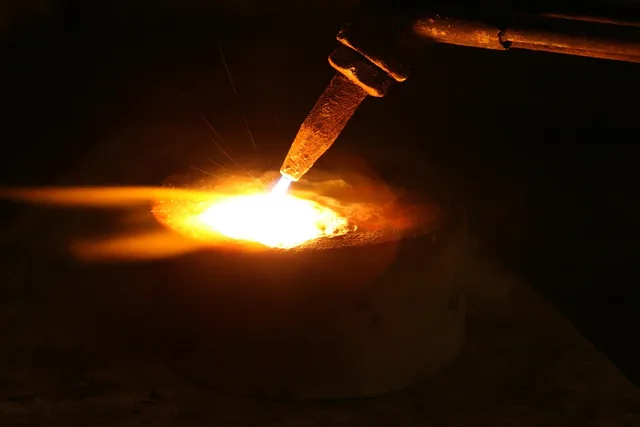
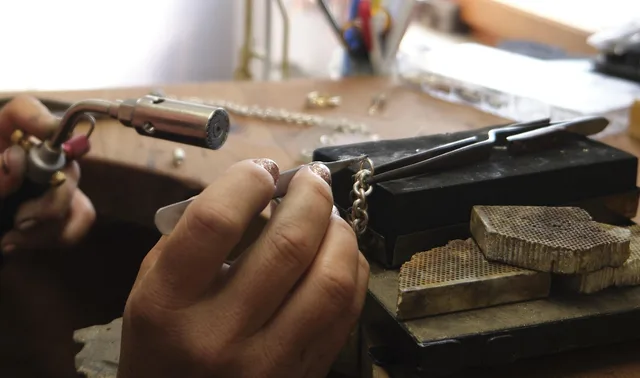
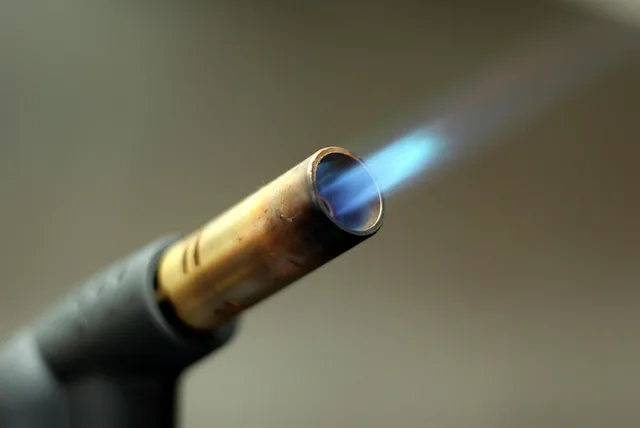
Adapt this silver soldering safety checklist to the shop's legal duties, equipment manuals, insurer conditions, locally adopted fire code, and safety program. A tabletop microtorch and an oxygen-fuel system need separate equipment-specific checks: identify the model and fuel, then follow that system's manual for inspection, leak testing where applicable, ignition, and shutdown. Do not apply cylinder and regulator steps to a cartridge torch or assume a cartridge torch removes fire and ventilation hazards.
Authorization
- Operator has current training for this system.
- Task, location, time, and responsible person are recorded.
- Hot-work permit or shop authorization is complete where required.
- Emergency shutoff, alarm, exit, and reporting route are clear.
- Suitable fire equipment is present and inspected.
- A fire watch is assigned when the assessment requires one.
- Post-work monitoring time is stated.
Permit or register entry
Use the workplace's approved hot-work permit form or register, and confirm local requirements with the fire marshal or authority having jurisdiction. Record the permit or entry ID; date and authorized work period; operator and authorizer; work description and location; torch and fuel system; identified hazards and controls; ventilation; fire equipment and rating; fire-watch and post-work monitoring arrangements; emergency shutoff and reporting route; and closeout sign-off.
Fuel and torch
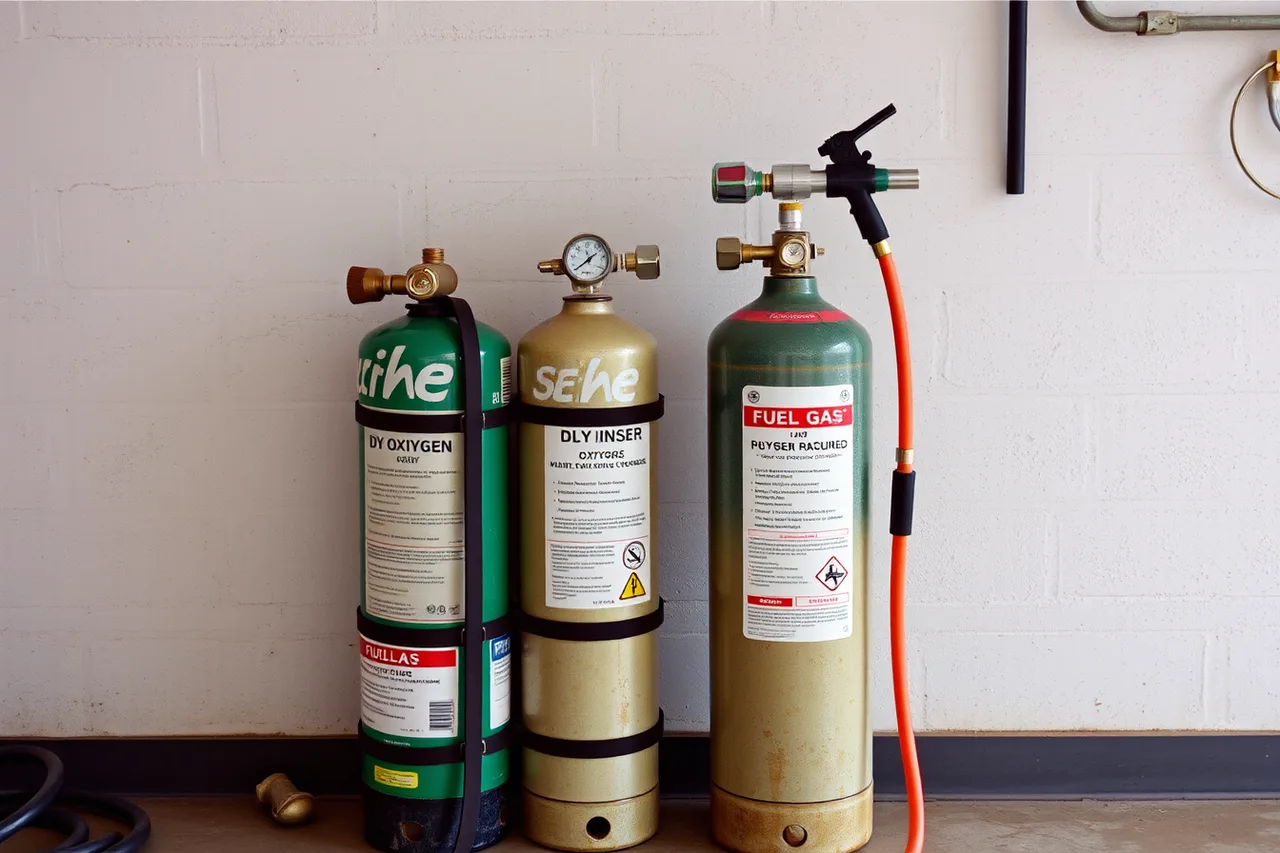
- Cylinders or cartridges are approved, secured, labeled, and undamaged.
- Correct regulators, hoses, couplings, valves, and torch are fitted.
- Oxygen equipment is free of oil and grease.
- Hoses have no leaks, burns, cracks, worn areas, or makeshift repairs.
- Tip is correct, clean, seated, and undamaged.
- Leak test uses the approved method.
- Ignition device and shutdown sequence are ready.
- Fuel path does not cross a hot surface, aisle, or sharp edge.
OSHA's gas-welding and cutting requirements are at 29 CFR 1926.350 and address cylinder placement, torch inspection, suitable tip-cleaning devices, approved ignition, working regulators, hose condition, and keeping oxygen apparatus free from oil and grease. For general-industry work, review 29 CFR 1910.252 (General requirements) and 1910.253 (Oxygen-fuel gas welding and cutting) where applicable. Also check NFPA 51B, Standard for Fire Prevention During Welding, Cutting, and Other Hot Work; ANSI Z49.1, Safety in Welding, Cutting, and Allied Processes; and the locally adopted fire code. Applicability depends on the workplace, equipment, and local adoption.
Work area
- Work occurs in the designated noncombustible area.
- Paper, solvents, cloth, packaging, dust, and other combustibles are removed or protected.
- Heat cannot travel through the bench, wall, or fixture to hidden combustibles.
- Hot tools and work have a marked landing area.
- Local exhaust is on, positioned, and confirmed operational.
- Airflow captures contaminants without pulling the flame or fumes past the face.
- Food, drink, smoking, and cosmetics are excluded.
- Eye protection complies with ANSI Z87.1; use the filter specified by the torch instructions and task assessment for direct torch work.
- Wear nonmelting clothing that covers skin and closed-toe shoes; use appropriate heat-resistant gloves or tools when handling hot work.
- Chemical splash goggles and gloves selected for the chemicals are available for flux and pickle handling.
- An inspected extinguisher is reachable, and its class and rating match the identified hazards. An ABC-rated extinguisher is suitable only for the applicable Class A, B, and C hazards; it is not a universal choice.
Before approval, inspect the spaces below, behind, and beside the bench. Heat can conduct through metal fixtures or pass through openings that are not visible from the operator's normal position. Record any shielding and the surfaces checked. Keep the documented landing area for hot tweezers, blocks, binding wire, and work clear throughout the operation.

The University of Vermont's fine-metals safety page specifically calls for removing combustible or flammable material where an acetylene torch is used. Its campus rules do not replace the user's local fire code or system manual.
Materials and joint
- Base metals, coatings, fills, stones, adhesives, and earlier repairs are identified.
- Unknown or legacy material is excluded until assessed.
- Joint fits in its normal position without a concealed gap.
- Solder product, grade, batch, composition, and working range are recorded.
- Flux and firecoat match the product guidance.
- Current safety data sheets are available.
- Solder amount and placement are controlled.
- Supports and binding do not block flow or create contamination.
During heating
- Operator remains at the torch.
- Free hand and body stay out of flame and hot-metal paths.
- General heating and joint heating follow the planned sequence.
- Flame never points toward fuel equipment or combustibles.
- Abnormal odor, sound, flame, flashback, leak, or ventilation failure triggers shutdown.
- Heat stops when the required solder flow is complete.
Shutdown and closeout
- Torch and fuel are shut down in the specified order.
- Valves, regulators, and stored equipment are left in the required state.
- Hot work, blocks, tools, and fixtures remain identified until cool.
- Fire-watch and post-work checks are recorded.
- Work is cooled by the approved method.
- Pickle and rinse use labeled compatible tools and containers. Sodium-bisulfate pickle is acidic; hazards depend on the product and concentration. Review its SDS, use the specified chemical-resistant gloves and splash goggles, prevent skin and eye contact, and do not mix it with other chemicals.
- Waste, wipes, broken blocks, and contaminated residues enter the correct stream.
- Hands and work surfaces are washed under shop procedure.
Release inspection
- Joint is continuous where it must be.
- Alignment and dimensions remain within limits.
- No excess solder, pits, collapse, eroded edge, or moved earlier seam remains.
- Flux, firecoat, pickle, and rinse residues are removed.
- Rework, rejection, or acceptance is signed and dated.
Common questions
Does a small torch need a fire plan?
Yes. Open flame and hot metal can ignite nearby or hidden combustibles.
Can a damaged hose be taped?
Do not improvise repairs. Remove defective equipment from service and follow the system procedure.
Is an open window enough ventilation?
Not necessarily. A task assessment must determine capture and exposure controls.
When is the job finished?
After shutdown, cooling, fire monitoring, chemical cleanup, waste handling, and release inspection are complete.