Rules
Part of Stone setting in silver guide: planning a setting
Loose stones, chipped edges, uneven bezels, tool slips, and trapped debris
Stone setting problems guide for loose stones, chipped edges, uneven bezels, tool slips, trapped debris, evidence checks, repair limits, and rejection.
What to take away
- Stop and protect the stone when movement, damage, a tool slip, or unexplained sound appears.
- Preserve the pre-cleaning evidence unless loose debris threatens further scratching.
- Separate a poor seat from weak holding metal, impact, stone damage, and mounting distortion.
- Do not tighten metal over a chip until the stone and contact zone are assessed.
- A new mounting may preserve more stone and structure than repeated local correction.
Several faults can appear together. A loose cabochon may rock because its back is uneven, its bezel is open, debris lies under it, or the mounting has distorted. Tightening the visible gap can worsen the hidden cause.
Immediate response
Place the piece in a lined tray. Record where and how movement was found. Photograph top, sides, underside, holding metal, and any debris under consistent light. Do not shake the piece over a bench, force paper under the stone, or use an ultrasonic cleaner to confirm looseness.
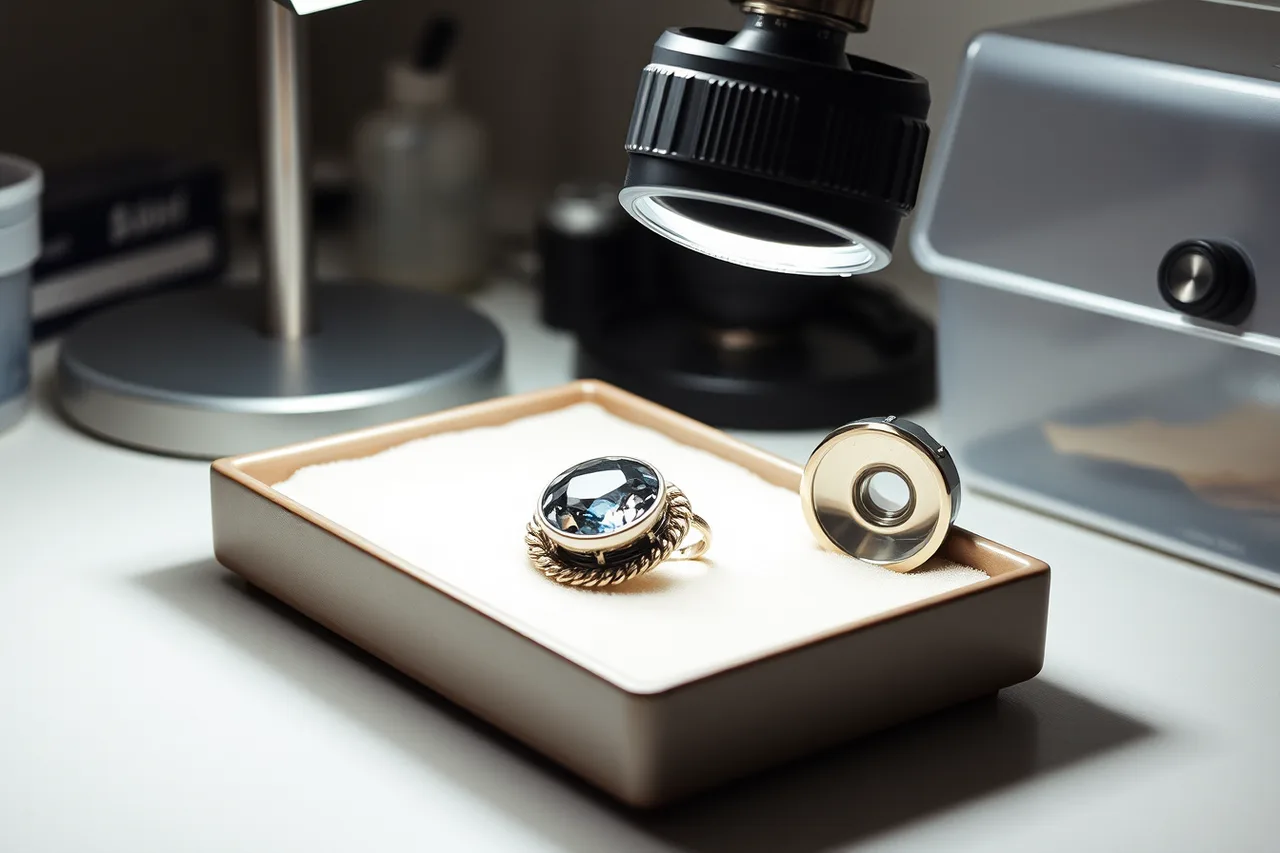
Compare with intake photographs. A new bright line may be a scratch, chip, opened fracture, or fresh metal contact. Hold the work until it is identified.
Loose stones
Check in this order:
- stone movement direction and amount under the approved test;
- seat contact and stone level;
- gaps at bezel walls, prong bearings, rails, or beads;
- holding-metal thickness, height, cracks, and wear;
- distortion in the mounting or nearby joint;
- debris, adhesive, or old repair material.
GIA's stone-loss bench tip says benchmarks should be task specific and illustrates how bearing gaps permit movement in traditional diamond prongs. Its percentage ranges and diamond geometry should not be copied into a silver bezel or colored-stone setting without a separate design.
Chipped edges
Map the chip's location, size, freshness, and relationship to contact. Look for a matching tool mark or pressure point. Do not assume the setter caused a chip that appears in the intake record, and do not dismiss a new chip because the stone remains secure.
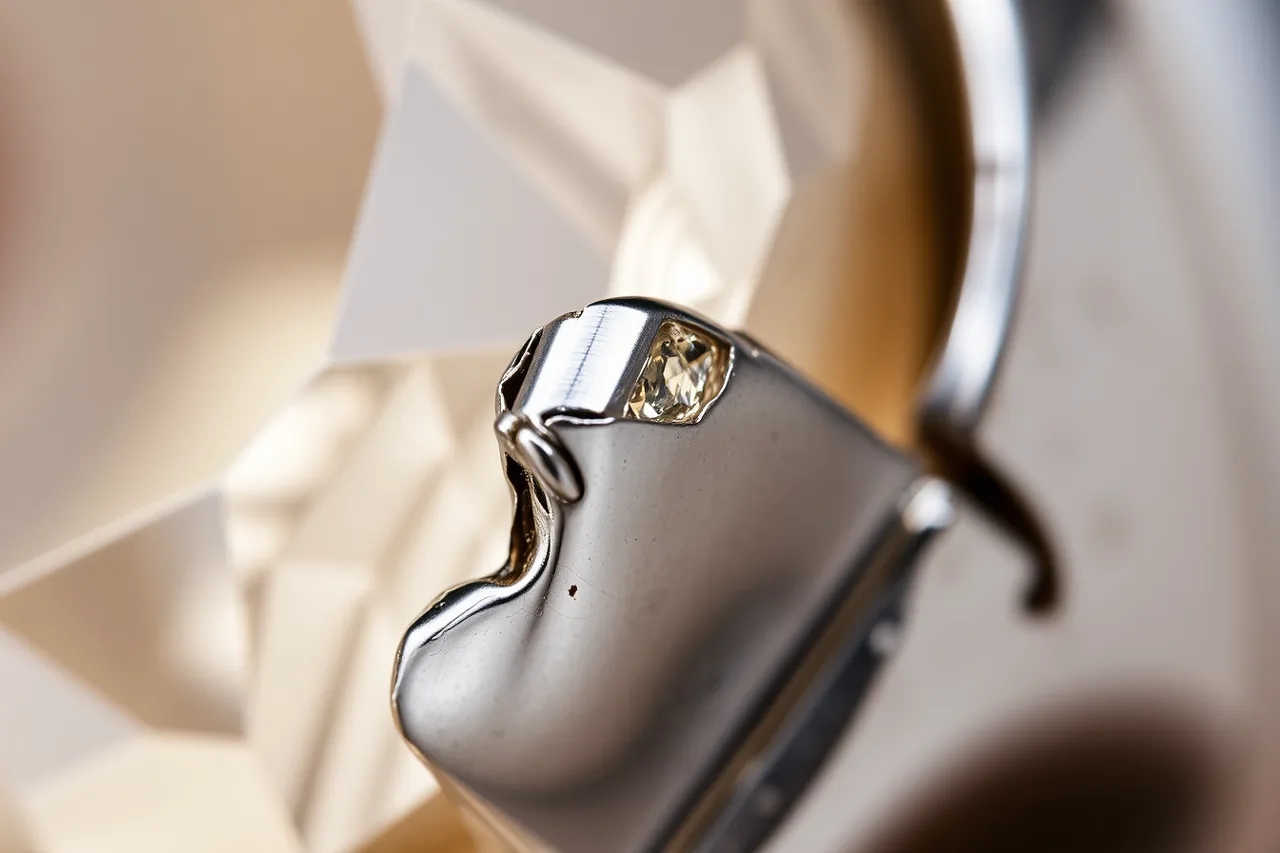
A qualified gemologist or lapidary may need to determine whether the stone can remain as is, be repolished, be reset with a redesigned contact, or be rejected. Do not fold metal over a fresh break to conceal it.
Uneven bezels
An uneven bezel may show variable height, open wall gaps, ripples, folded corners, excessive coverage, or a wavy finished edge. Possible causes include a mismatched wall profile, irregular stone, poor backing, seam distortion, unbalanced closure, or overfinishing.
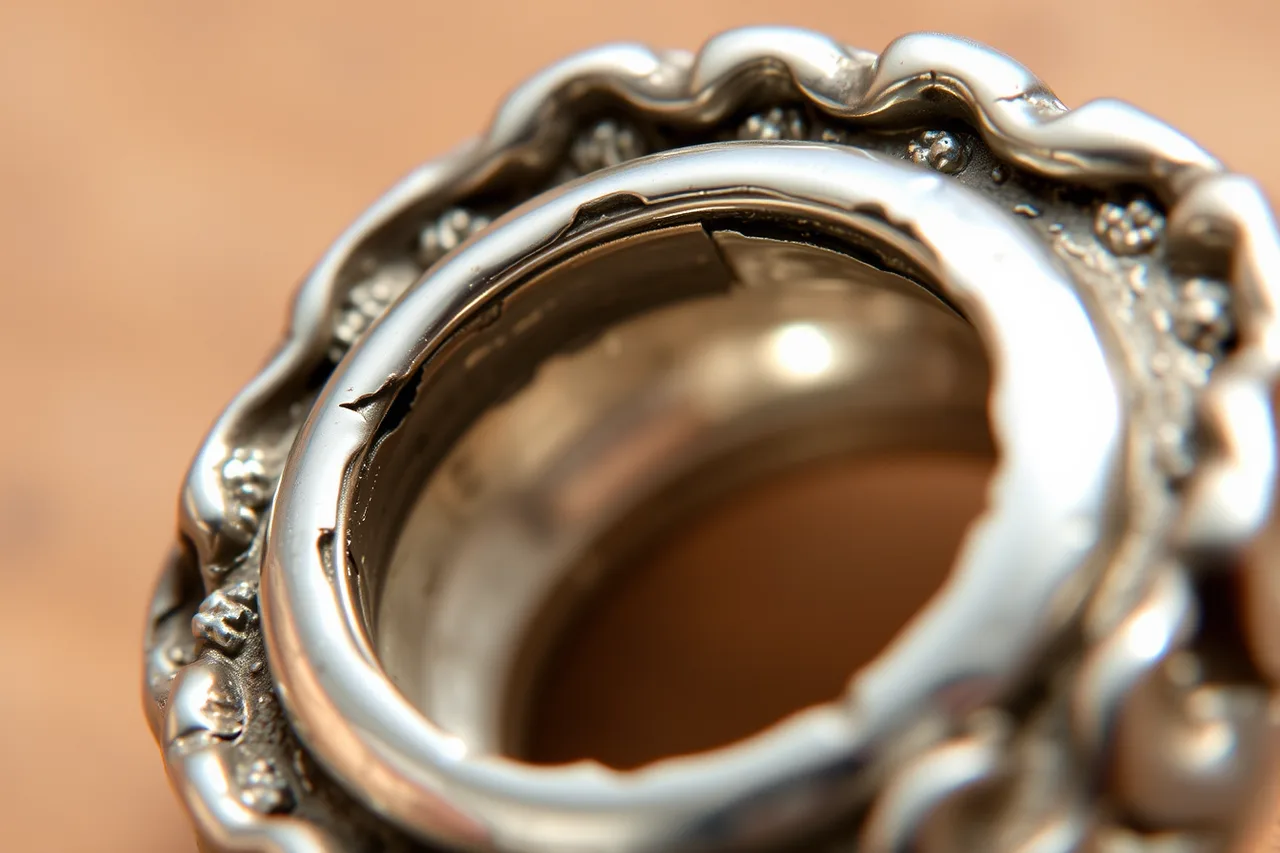
Measure wall height and contact at named clock positions. If the stone sits level and secure but a small visual variation remains within the drawing, further burnishing may create more risk than benefit.
Tool slips
Stop without polishing the slip. Record its start, direction, depth, and endpoint. Inspect the stone for contact even when the mark appears confined to metal.
Classify the slip:
| Slip area | Main concern |
|---|---|
| Holding metal | Lost section or changed contact |
| Stone surface | Scratch, chip, abrasion, opened fracture |
| Structural wall | Crack or minimum-section failure |
| Finished field | Cosmetic damage and removal allowance |
Test any blending or recutting proposal on matching material. If correction weakens the holding feature or changes the design boundary, redesign or replacement is required.
Trapped debris
Debris can hold a stone above its seat, scratch a back, retain moisture or compound, or produce a false security result. Identify whether the material is a loose chip, abrasive, polishing compound, flux residue, adhesive, corrosion product, or foreign fiber.
Use only a cleaning method compatible with the stone, treatment, silver, joins, and setting. GIA's worn-jewelry benchmark presents a ring that is not a candidate for refinishing, showing why inspection must precede automatic polishing. The example is platinum and does not determine the disposition of this silver piece.
Decision record
State the defect, likely and excluded causes, evidence, stone condition, remaining metal, trial results, proposed correction, risks, and approval. If the stone cannot be removed safely or the cause remains hidden, disclose that limit rather than claiming a complete diagnosis.
Common questions
Can trapped debris secure a loose stone temporarily?
It may reduce apparent movement, but it is not a designed bearing and can create damage or later looseness.
Should every uneven bezel be made visually perfect?
No. Further work must remain within stone-contact, wall-section, finish, and risk limits.
Can polishing remove a tool slip?
Only if the approved removal allowance preserves structure and design. Deep slips may require redesign or rejection.
What if the stone is loose but the bezel has no visible gap?
Inspect backing, seat, debris, stone profile, mounting distortion, and hidden contact before moving more metal.